
 rolefield.ai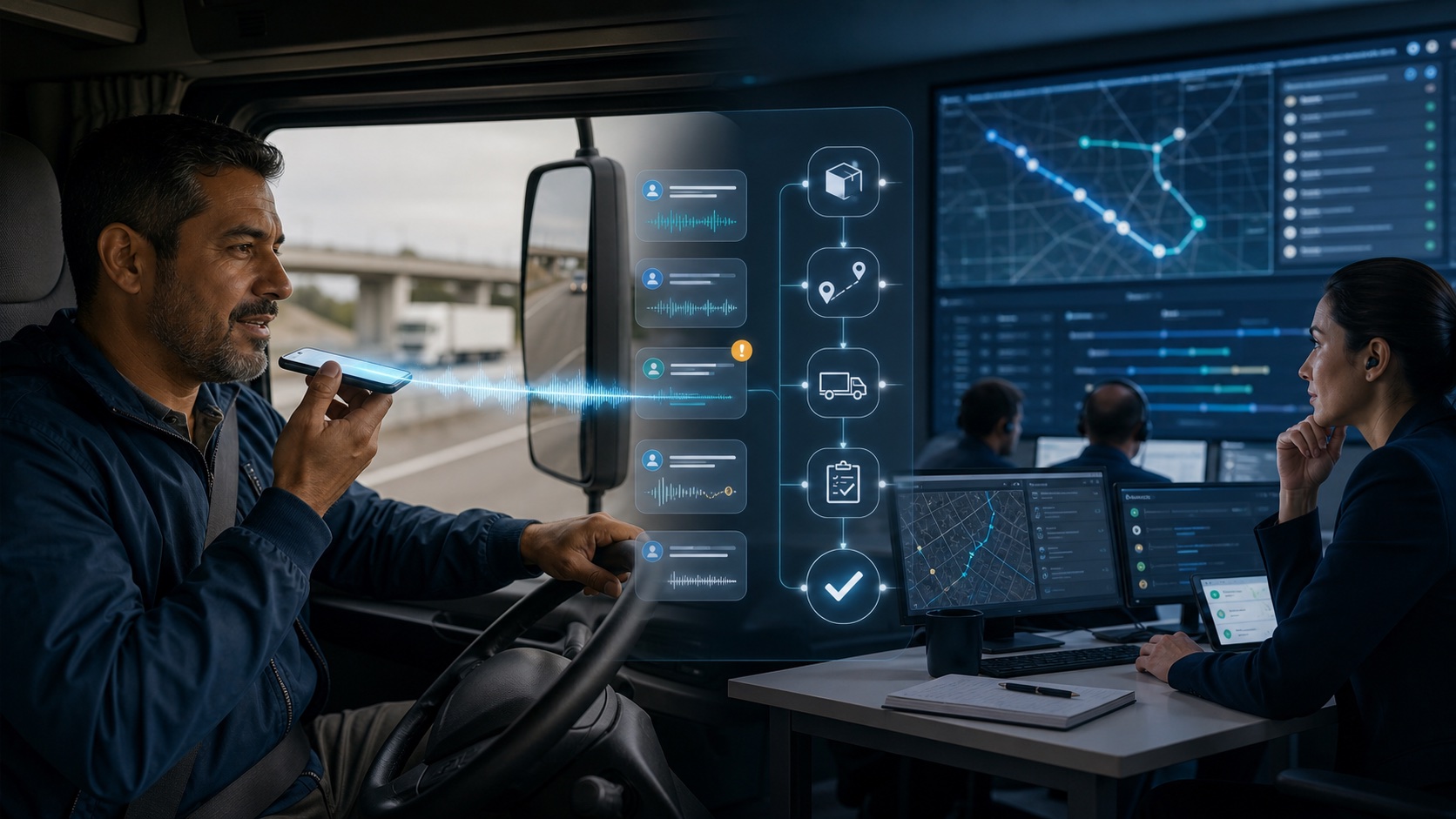
Logistics teams coordinate through thousands of short, repetitive conversations: confirming availability, checking arrival, resolving an address, arranging a delivery window, collecting an update, or notifying a customer. rolefield.ai connects these voice interactions with the task automation required to keep operations moving.
The operating problem
Why logistics teams need a better intelligence layer
Dispatchers and customer-service teams spend significant attention calling drivers, carriers, warehouses, and recipients. Information arrives in different languages and must be re-entered into transport, ticketing, or CRM systems. When an exception occurs, the delay between conversation and system update can cause more calls and poorer visibility.
The product approach
How rolefield.ai changes the workflow
rolefield.ai agents can make or receive approved operational calls, understand the response, update a task or shipment record, send confirmation, schedule another action, and escalate exceptions. The agent works toward a defined goal—such as confirming a delivery window—rather than merely transcribing a conversation.
Explore rolefield.aiA practical four-stage workflow
- 01
Contact
Reach the driver, carrier, warehouse, supplier, or recipient in a supported language.
- 02
Resolve
Collect the specific status, confirmation, preference, or exception detail required.
- 03
Update
Write the approved result to the transport, CRM, ticketing, or task workflow.
- 04
Escalate
Transfer safety, dispute, loss, or unresolved operational issues with context.
Governance should be part of the design
Each agent should have a narrow operational purpose and limited system permissions. Organizations need consent and recording policies appropriate to the market, clear caller identification, and rules for safety or dispute escalation. Action logs should show what the agent heard, concluded, and changed.
A sensible place to start
Choose one repetitive call type with a measurable operational outcome. Integrate the minimum identifiers and actions required, and provide dispatchers with an exception queue. Test against background noise, different accents, interrupted calls, and incomplete answers before increasing autonomy.
What a strong implementation should improve
- Faster status collection across the network
- Automatic updates after routine calls
- More consistent multilingual delivery coordination
- Dispatcher focus reserved for true exceptions
Frequently asked questions
Questions teams ask before they begin
Can rolefield.ai call drivers and recipients?
It can support approved inbound or outbound workflows with appropriate consent, disclosure, and contact rules.
Can it update a transport management system?
Yes, when connected through a controlled integration with permissions limited to the defined task.
What happens when the call cannot resolve the issue?
The agent should create or route an exception with the conversation context so a human operator can act.